
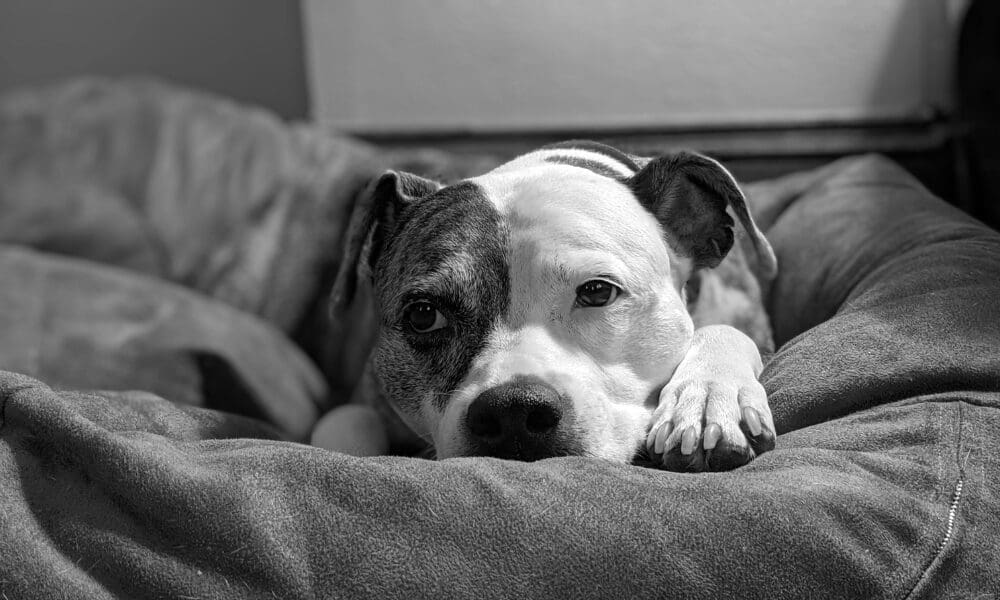
Walk through almost any animal shelter in the United States and you’ll notice a pattern. A large percentage of the dogs waiting for homes are labeled as pit bulls or pit bull mixes.

For many shelters, these dogs make up a significant portion of the population. Some wait weeks or months longer than other breeds before being adopted. Others cycle through the system multiple times in their lives.
The reality is that this situation didn’t happen by accident. A combination of breed labeling, irresponsible breeding practices, and long-standing misconceptions has created a system where pit bulls are often the most overlooked dogs in shelters.
Understanding why this happens is the first step toward changing it.
The Problem With Breed Labels
One of the biggest contributors to the issue is something many people don’t realize: breed labels in shelters are often educated guesses.
Many dogs labeled as pit bulls are actually mixed-breed dogs whose ancestry may include several different breeds. Without DNA testing, visual identification can be surprisingly inaccurate.
Studies have shown that even experienced shelter staff and veterinarians can misidentify dog breeds based on appearance alone. Dogs with blocky heads, muscular builds, or short coats are often labeled as pit bulls, even when their genetic makeup tells a different story.
Once a dog receives that label, however, it tends to follow them.
That label can influence how potential adopters perceive the dog, even if the dog’s temperament is friendly, affectionate, and well-behaved.
Backyard Breeding and Overpopulation
Another major factor behind the number of pit bulls in shelters is overbreeding.
Pit bulls are unfortunately one of the most commonly bred dogs in informal or unregulated environments. Backyard breeders often produce litters without proper planning, health testing, or long-term responsibility for the dogs they bring into the world.
Some people breed dogs hoping to sell puppies quickly for profit. Others breed without understanding the long-term commitment required to ensure every puppy finds a responsible home.
When those puppies don’t sell, or when owners realize they are not prepared for the responsibility of dog ownership, shelters often become the safety net.
The result is an ongoing cycle where more pit bull-type dogs are entering shelters than there are homes available to adopt them.
Housing Restrictions and Insurance Policies
Even when people love their pit bulls, outside factors can sometimes force heartbreaking decisions.
Many rental properties have breed restrictions that prohibit pit bulls or dogs that resemble them. Some insurance policies also limit coverage for certain breeds, which can make housing difficult for dog owners.
When families move, they may find themselves faced with an impossible choice: find housing that allows their dog, or surrender the dog to a shelter.
These policies contribute significantly to the number of pit bulls entering shelters every year.
The Weight of Stigma
Perhaps the most powerful factor affecting pit bulls in shelters is stigma.
For decades, pit bulls have been the subject of negative headlines, sensational media stories, and public misunderstanding. While any dog can behave aggressively if poorly trained or mistreated, pit bulls have often been unfairly singled out.
These stereotypes have led some people to assume pit bulls are inherently dangerous or unpredictable, despite countless examples of pit bulls serving as therapy dogs, family pets, and beloved companions.
The truth is that a dog’s behavior is shaped far more by upbringing, training, and environment than by breed label alone.
Still, those assumptions can make potential adopters hesitate, causing pit bulls to wait longer for homes.
The Dogs Behind the Label
Spend time with pit bulls in shelters and a different picture quickly emerges.
Many are affectionate, people-focused dogs who crave attention and connection. They are often playful, loyal, and eager to please. Shelter volunteers frequently describe them as “velcro dogs” because of how closely they bond with their people.
Unfortunately, because of the label attached to them, these dogs are often passed over for adoption while other breeds are chosen first.
That doesn’t reflect who they are, it reflects the misconceptions surrounding them.
How We Can Change the Story
The good news is that the situation is not hopeless. Many shelters, rescue groups, and advocates are working hard to change the narrative around pit bulls and increase their adoption rates.
Adoption is one of the most powerful ways to help. Choosing to adopt a pit bull or pit bull mix gives an individual dog a second chance while helping reduce shelter overcrowding.
Spaying and neutering also plays a critical role. Responsible pet ownership prevents unplanned litters and helps reduce the number of dogs entering shelters in the first place.
Education matters as well. The more people learn about pit bulls as individuals rather than stereotypes, the more likely they are to see them for what they truly are—dogs who want the same things every dog wants: safety, love, and a place to belong.
Changing Perceptions, One Dog at a Time
For many families who adopt pit bulls, the experience becomes deeply personal. The dog they were once told to be cautious about becomes the affectionate companion curled up on the couch each night.
Those stories matter. Every positive experience helps shift the conversation.
The more people meet well-loved, well-trained pit bulls, the more the outdated stereotypes begin to fade.
Shelters across the country are filled with dogs who are ready for their second chance. Many of them happen to carry the label “pit bull,” but beyond that label is simply a dog waiting for someone to give them a home.
And when that happens, the results are often life-changing, for both the dog and the person who adopts them.
To learn more about pit bull advocacy and dogs available for adoption, visit KenneltoCouch.org.
Recent Comments