
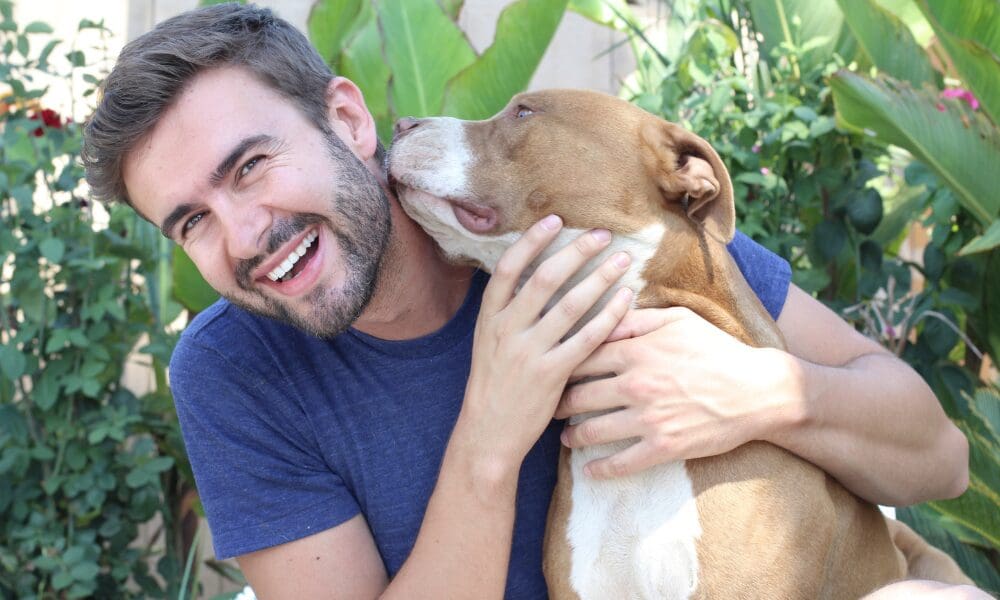
Bringing a rescue dog home is one of the most meaningful decisions a person can make. It’s the moment when a dog’s life changes forever, and often, when a family’s life changes too. But while adoption day is filled with excitement, photos, and hopeful expectations, the first month can be an adjustment for everyone involved.

Dogs coming from shelters or rescue environments are experiencing a massive shift. New smells, new people, new routines, and a completely unfamiliar environment can feel overwhelming at first. Understanding what that transition looks like can help adopters be patient, compassionate, and prepared during those first few weeks.
The First Few Days: Decompression
The first days in a new home are often the quietest. Many newly adopted dogs appear shy, reserved, or unsure of themselves. Some may sleep a lot, while others follow their new owners closely, unsure of what comes next.
Shelters are noisy, busy places, and dogs often live in a heightened state of stress. Once they arrive home, many simply need time to decompress.
During these early days, it helps to keep things simple. Avoid introducing too many new people or overwhelming your dog with activities. Give them a comfortable place to rest, keep noise levels low, and allow them to explore their surroundings at their own pace.
This is also the time to begin establishing a routine. Feeding times, walks, and bathroom breaks should happen at roughly the same times each day. Dogs thrive on predictability, and a consistent schedule quickly helps them feel safer.
Week One: Learning the New World
By the end of the first week, many rescue dogs start to show glimpses of their personality. You might notice your dog becoming more curious, more playful, or more comfortable moving around the house.
This is also when some behaviors may begin to appear. A dog that seemed calm and quiet on day one might suddenly discover toys, zoom around the yard, or bark at unfamiliar sounds.
None of this is unusual. Your dog is beginning to understand that this is their new home.
During this stage, it’s important to gently begin introducing basic boundaries and expectations. Simple things like where the dog sleeps, which furniture is off limits, and where meals are served should become part of the routine.
Short walks, calm training sessions, and positive reinforcement go a long way toward building trust. Remember that many rescue dogs have had little formal training, so patience is key.
Weeks Two and Three: Confidence Begins to Grow
Around the two-week mark, many adopted dogs start to relax more noticeably. Their body language becomes softer, they may initiate play, and their attachment to their new family grows stronger.
This is often when the real personality of the dog begins to shine through.
Some dogs become affectionate “shadow dogs,” following their people from room to room. Others reveal a playful side that wasn’t visible in the shelter. You might discover a love for fetch, long naps in sunny spots, or a particular enthusiasm for treats.
It’s also common during this stage for dogs to test boundaries. They may pull more on the leash, explore areas of the house they ignored before, or show excitement that can sometimes look like misbehavior.
These moments are simply part of the adjustment process. Clear, consistent guidance paired with positive reinforcement helps dogs understand the rules of their new environment.
Training doesn’t have to be complicated. Teaching basic cues like “sit,” “stay,” and “come” not only improves behavior but also strengthens the bond between dog and owner.
Week Four: Feeling at Home
By the time the first month comes to an end, most rescue dogs are settling into their new lives. The house smells familiar. The routine makes sense. The people they once viewed cautiously have become their trusted companions.
This is when many adopters realize something important: the dog they brought home a few weeks earlier has truly become part of the family.
You’ll likely notice greater confidence. Your dog may greet you at the door, curl up beside you on the couch, or eagerly wait for the daily walk. These small moments are signs that the bond is growing stronger.
Of course, every dog adjusts at their own pace. Some may take longer than a month to fully relax, especially if they have experienced past trauma or instability. What matters most is providing patience, structure, and kindness throughout the process.
The Reward of Patience
Adopting a rescue dog isn’t just about giving a dog a home. It’s about offering stability, safety, and love to an animal who may have experienced uncertainty before.
The first 30 days are a period of learning for both the dog and the adopter. There will be moments of joy, moments of confusion, and moments that test your patience. But with time, those early adjustments turn into a deep and lasting bond.
For many families, the most remarkable part of adoption is watching a dog transform. The nervous shelter dog slowly becomes the confident companion who greets you each morning and curls up beside you at night.
And somewhere along the way, you realize that the dog you rescued has changed your life just as much as you changed theirs.
To learn more about adoption and to meet dogs looking for their forever homes, visit KenneltoCouch.org/pitbull-adoption.
Recent Comments