
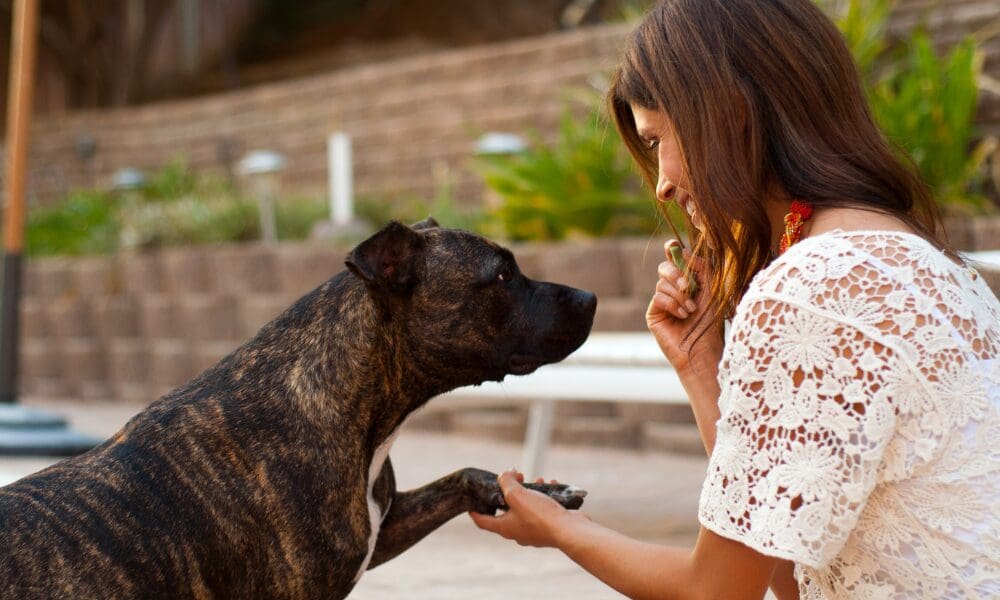
When people think about helping rescue dogs, adoption is usually the first thing that comes to mind. Bringing a dog home permanently is an incredible act of compassion, but it’s not the only way to make a life-changing difference.

Fostering—providing a temporary home for a dog until they are adopted—is one of the most important parts of animal rescue. In many cases, foster homes are the reason a dog survives long enough to find a forever family.
Rescue organizations and shelters rely heavily on foster families to create space, provide care, and help dogs transition from uncertain situations into stable homes.
Simply put, fostering saves lives.
Creating Space for More Dogs in Need
Animal shelters often operate at or near capacity. When every kennel is full, it becomes difficult for shelters to accept new animals that need help.
Foster homes provide an essential solution to this challenge.
When a dog moves from the shelter into a foster home, that kennel space becomes available for another dog who may be lost, abandoned, or at risk. One foster placement can open the door for multiple animals to receive care and safety.
By temporarily welcoming a dog into their home, foster families help expand the reach of rescue organizations far beyond the walls of a shelter.
Giving Dogs a Break From the Shelter Environment
Shelters do the best they can with the resources available, but they are still busy, high-stress environments for dogs.
The constant noise, unfamiliar smells, and limited space can make it difficult for dogs to fully relax. Some dogs become anxious or withdrawn while waiting for adoption.
A foster home offers something shelters cannot always provide: a quiet, stable environment where a dog can decompress.
In a home setting, dogs can sleep more comfortably, enjoy regular walks, and experience the rhythms of everyday life. This environment often helps dogs regain confidence and show their true personalities.
Many dogs who appear timid or overwhelmed in a shelter quickly begin to relax once they settle into a foster home.
Helping Dogs Learn How to Be Pets
Some rescue dogs arrive with little experience living in a household. They may not understand routines like walking on a leash, sleeping through the night, or settling down inside the home.
Foster homes help bridge that gap.
Foster families gently introduce dogs to everyday experiences such as house training, basic manners, and interacting with people in a calm environment. These lessons help prepare dogs for successful adoption.
When a dog learns how to live comfortably in a home, their chances of finding and keeping a permanent family increase dramatically.
Learning About a Dog’s Personality
Another important role foster families play is helping rescue organizations understand each dog more clearly.
In a home environment, foster families observe how a dog behaves throughout the day. They notice things like energy level, favorite activities, and how the dog interacts with children, other pets, or new environments.
This information is incredibly valuable when it comes time to match the dog with the right adopter.
A foster parent might share that a dog loves long walks, prefers quiet evenings on the couch, or thrives in an active household. These insights help ensure that the dog ends up in a home that fits their personality and needs.
Helping Dogs Heal
Some dogs entering rescue have experienced difficult circumstances. They may be recovering from neglect, illness, or simply the stress of losing their previous home.
Foster homes provide a safe place for healing.
In many cases, rescue organizations place dogs into foster homes while they recover from medical procedures or receive treatment. Being in a quiet home rather than a kennel can make recovery faster and less stressful.
Equally important is emotional healing. Dogs who receive patience, kindness, and consistency in a foster home often regain trust in people.
Watching a frightened dog slowly become confident again is one of the most rewarding parts of fostering.
Fostering Isn’t Forever—But the Impact Is
Some people hesitate to foster because they worry it will be too hard to say goodbye. It’s true that foster families often become attached to the dogs in their care.
But foster families also experience something special: the chance to see a dog’s full transformation.
They watch the nervous dog become comfortable. They see the first playful moments, the first tail wag, the first time the dog truly relaxes. And when the right adopter arrives, they get to witness the final step of that journey.
That moment—seeing a dog leave for their forever home—is one of the most meaningful rewards of fostering.
And the impact doesn’t stop there. Once that dog is adopted, the foster family can help another dog in need.
A Powerful Way to Help Rescue Dogs
Not everyone is in a position to adopt a dog permanently. Work schedules, travel, housing restrictions, or other responsibilities can make long-term commitment difficult.
Fostering offers a way to help without making a lifetime commitment.
Many rescue organizations provide supplies, veterinary care, and guidance to foster families. All that’s needed is a safe home, patience, and a willingness to give a dog a temporary place to belong.
For the dog, that temporary home can mean the difference between uncertainty and a second chance.
Opening Your Home Can Change a Life
Every foster home becomes a stepping stone on a dog’s journey toward a permanent family.
The time, care, and compassion provided by foster families help dogs grow stronger, more confident, and more ready for adoption. And because foster homes create space for other animals to enter rescue, the ripple effect saves countless lives.
Sometimes the most powerful way to help a rescue dog is simply to open your door.
To learn more about fostering, adoption, and supporting rescue dogs, visit KenneltoCouch.org.
Recent Comments