
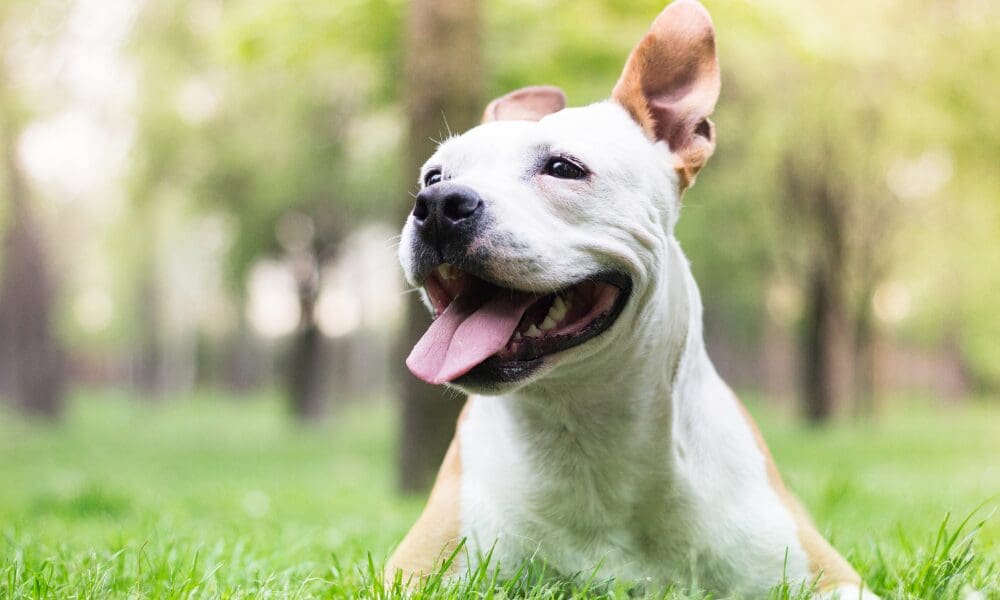
Summer brings longer days, outdoor adventures, and plenty of opportunities to spend time outside with your dog. Walks in the sunshine, trips to the park, and afternoons in the backyard can all be part of a happy routine.

But rising temperatures also bring serious risks for dogs. Unlike humans, dogs don’t sweat the same way we do. Their bodies rely mostly on panting to regulate temperature, which means they can overheat much faster than people realize.
Each year, veterinarians see cases of heat exhaustion and heatstroke that could have been prevented with a few simple precautions. Understanding how heat affects dogs—and how to keep them safe—can help ensure that summer stays enjoyable for everyone.
Why Heat Is Dangerous for Dogs
Dogs regulate their body temperature primarily through panting and limited sweating through their paw pads. When the air temperature rises, especially when humidity is high, their cooling system becomes less effective.
If a dog’s body temperature climbs too high, it can lead to heat exhaustion and eventually heatstroke. This condition can cause organ damage and, in severe cases, can be life-threatening.
Certain dogs are even more vulnerable to heat, including:
-
Short-nosed breeds
-
Older dogs
-
Puppies
-
Dogs with thick coats
-
Dogs who are overweight
-
Dogs with underlying health conditions
Even healthy dogs, however, can overheat quickly in hot environments.
Walk Smarter in Hot Weather
One of the easiest ways to protect your dog during the summer is adjusting the timing of walks and outdoor activity.
The hottest part of the day usually falls between late morning and early evening. During these hours, both air temperature and pavement temperature can reach dangerous levels.
Instead, aim for walks early in the morning or later in the evening when temperatures are lower.
Pavement and asphalt absorb heat from the sun and can become hot enough to burn a dog’s paw pads. A simple way to test this is by placing the back of your hand on the pavement. If it feels too hot to hold for several seconds, it’s too hot for your dog’s paws.
When temperatures are high, shorter walks or shaded grassy routes are safer options.
Always Provide Fresh Water
Hydration plays a critical role in helping dogs regulate body temperature.
Make sure your dog has constant access to fresh, cool water both indoors and outdoors. If you’re going on a walk, hike, or trip to the park, bring water along for your dog just as you would for yourself.
Portable water bottles and collapsible bowls make it easy to provide drinks during outdoor activities.
Encouraging regular water breaks helps prevent overheating and keeps your dog comfortable during warm weather.
Never Leave Your Dog in a Parked Car
One of the most dangerous situations for dogs in the summer is being left inside a parked vehicle.
Even when the outside temperature seems mild, the inside of a car can heat up extremely quickly. Within minutes, temperatures inside the vehicle can climb to levels that become deadly for dogs.
Cracking the windows or parking in the shade does not provide enough protection.
If your dog cannot come with you into a building, it is safest to leave them at home in a cool environment.
Provide Shade and Cool Resting Areas
If your dog spends time outdoors, it’s essential that they have access to shade throughout the day. As the sun moves across the sky, shaded areas can shift or disappear, so make sure your dog always has a place to escape direct sunlight.
Trees, covered patios, and dog houses designed for ventilation can help provide relief from heat.
Many dogs also appreciate cool surfaces during hot weather. Indoor tile floors, shaded grass, or cooling mats can help lower body temperature after outdoor activity.
Know the Signs of Heat Stress
Recognizing the early signs of overheating can prevent serious problems.
Common signs of heat stress in dogs include:
-
Excessive panting
-
Drooling more than usual
-
Lethargy or weakness
-
Vomiting
-
Difficulty walking or loss of coordination
-
Bright red or pale gums
If you notice these symptoms, move your dog to a cooler environment immediately, provide water, and contact a veterinarian as soon as possible.
Prompt action can make a critical difference.
Summer Can Still Be Fun
Hot weather doesn’t mean dogs have to stay indoors all summer. With a few simple adjustments, they can still enjoy the season safely.
Early morning walks, shaded outdoor playtime, water breaks, and close observation help prevent heat-related illness. Paying attention to your dog’s comfort level and energy can also guide how much activity is appropriate on hot days.
For many dogs, the best summer days are the simple ones—relaxing in the shade, taking a short walk when the air cools down, and spending time close to their favorite people.
Protecting the Dogs Who Depend on Us
Dogs rely on their owners to recognize when conditions are safe and when they’re not. A little extra awareness during the summer months goes a long way toward protecting their health and well-being.
By planning ahead and keeping heat safety in mind, you can ensure that summer remains a season of adventure, relaxation, and shared moments with your dog.
To learn more about dog adoption and responsible pet care, visit KenneltoCouch.org.
Recent Comments