
Saving Pit Bulls, one wet nose at a time

Mange in Dogs
The “umbrella” term mange refers to two specific skin diseases in dogs caused by mites: demodectic and sarcoptic mange. Sometimes called red mange, demodectic mange is caused by the demodex mite, a small cigar-shaped parasite with eight legs that lives in a dog’s hair...

Inspire Nutrition Partners with Kennel to Couch
After being in the fitness industry for many years, training thousands of clients and having tried more supplement products than they can name, Karlie Jennings and Jeff Katz, realized they could make better quality products that tasted better too. Karlie says they...

Walk 30 Miles With Your Dog in June Challenge
WALK FOR A REASON: 🏃 30 miles📅 31 days🐕 With your dog Help at-risk and forgotten dogs get adopted. Are you with us? ✅ You are invited to join the Walk 30 Miles with Your Dog in June Challenge! Every step supports Kennel to Couch, a...

How to Choose the Right Bed for Your Pet
Everyone should get at least seven uninterrupted hours of sleep each night. A comfy bed, supportive pillows, breathable blankets, and machine-washable bed linens are just a few of the items we spend a lot of time and money on to get a good night's sleep. For most pets...

Vertigo in Dogs
Canine vertigo or vestibular disease refers to a sudden, non-progressive disturbance of balance. More common in older dogs, it’s often referred to as old dog vestibular syndrome and canine idiopathic vestibular syndrome. What, then, is the vestibular system? It’s the...
Blindness in Senior Dogs
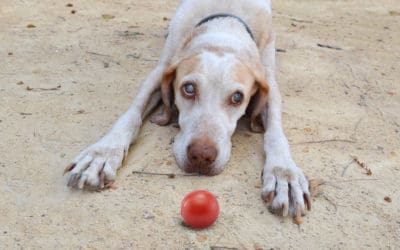
There are many causes of blindness in senior dogs including cataracts and cancer, untreated infections and glaucoma, Progressive Retinal Atrophy (PRA), and the most tragic of conditions, Suddenly Acquired Retinal Degeneration Syndrome (SARDS) with total blindness...
