
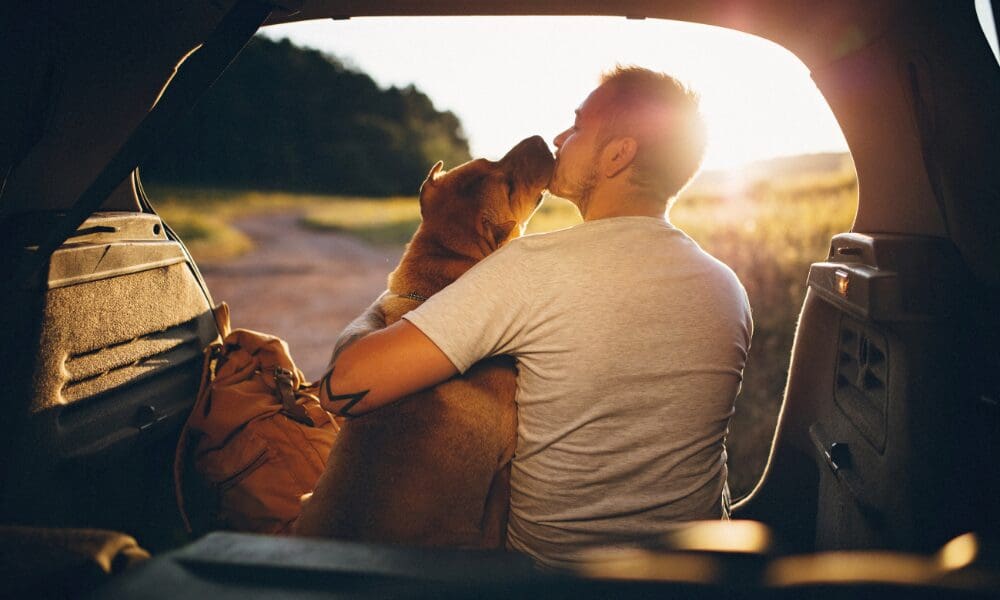
For many dog owners, leaving their dog behind when traveling simply isn’t an option. Dogs are family, and bringing them along can make a trip feel more complete. Whether it’s a weekend road trip, a long vacation, or a simple day trip, traveling with your dog can be a rewarding experience.

That said, traveling with a dog does require a little more preparation. Dogs thrive on routine and familiar environments, so new places, long car rides, and unfamiliar sounds can sometimes create stress if they’re not introduced thoughtfully.
With a little planning, however, most dogs can become excellent travel companions.
Start With Short Trips
If your dog hasn’t traveled much before, it’s helpful to start small. Short car rides around town or quick trips to a nearby park can help them get used to the experience of riding in a vehicle.
Some dogs love the car immediately. Others may feel nervous at first. Gradual exposure helps build confidence and allows them to associate the car with positive experiences.
Bring treats, speak calmly, and reward relaxed behavior during these early trips. Over time, the car becomes just another part of their routine.
Safety Comes First
One of the most important aspects of traveling with your dog is ensuring they are secure during the ride. A loose dog in a moving vehicle can be dangerous both for the dog and the driver.
There are several safe options for travel, including:
-
A well-fitted crash-tested harness that attaches to the seatbelt
-
A travel crate secured in the back seat or cargo area
-
A vehicle barrier that keeps the dog safely in the back section of an SUV
These options help protect your dog in the event of sudden stops or accidents and also prevent distractions while driving.
Pack the Essentials
Just like people, dogs need a few essentials to stay comfortable while away from home. Packing familiar items can make new environments feel less overwhelming.
Before leaving, gather a travel kit that includes:
-
Your dog’s regular food
-
A portable water bowl and fresh water
-
Leash and harness
-
Waste bags
-
Favorite toys
-
A blanket or bed that smells like home
-
Any medications your dog may need
Familiar smells can help your dog relax in unfamiliar places, especially overnight accommodations.
Plan for Frequent Breaks
Long stretches in the car can be uncomfortable for dogs. Planning regular stops allows them to stretch their legs, go to the bathroom, and burn off some energy.
For longer drives, try to stop every two to three hours. Short walks or a few minutes of exploration can make a big difference in helping your dog stay calm and comfortable during the trip.
It’s also important to never leave your dog alone in a parked car, especially in warm weather. Temperatures inside vehicles can rise quickly, even on mild days.
Choose Dog-Friendly Destinations
Before booking hotels, vacation rentals, or campsites, make sure they welcome dogs. Many places advertise themselves as pet-friendly, but it’s still helpful to review their specific policies ahead of time.
Some accommodations may have size restrictions, breed policies, or additional cleaning fees. Knowing these details in advance prevents surprises when you arrive.
It can also help to research dog-friendly parks, walking trails, patios, and outdoor spaces near your destination. Many cities now have excellent options for travelers with pets.
Help Your Dog Settle Into New Places
When you arrive somewhere new, give your dog a little time to adjust. Let them explore their surroundings slowly while remaining on leash if necessary.
Setting up a familiar space, such as their bed or blanket can help them feel more at home. Keeping feeding times and walk schedules close to their usual routine also helps reduce stress.
Most dogs adapt quickly once they realize their favorite person is still right there with them.
Know Your Dog’s Personality
Not every dog loves travel, and that’s okay. Some dogs thrive on adventure and new experiences, while others prefer the comfort of familiar routines.
Pay attention to how your dog responds during trips. Signs of stress may include pacing, excessive panting, whining, or restlessness. If travel consistently causes anxiety, shorter trips or alternative arrangements may be better for their well-being.
The goal is for both you and your dog to enjoy the experience.
Adventures Are Better Together
Traveling with your dog can lead to some of the most memorable moments you’ll share together. Morning walks in a new city, exploring a trail, or relaxing together after a long day of adventure all become part of the journey.
With preparation and patience, many dogs learn to love traveling just as much as their owners do.
For adopters, it’s also a reminder that rescue dogs can grow into incredible companions in every part of life, including the adventures along the way.
To learn more about adopting a dog and giving a rescue their own adventures, visit KenneltoCouch.org.
Recent Comments